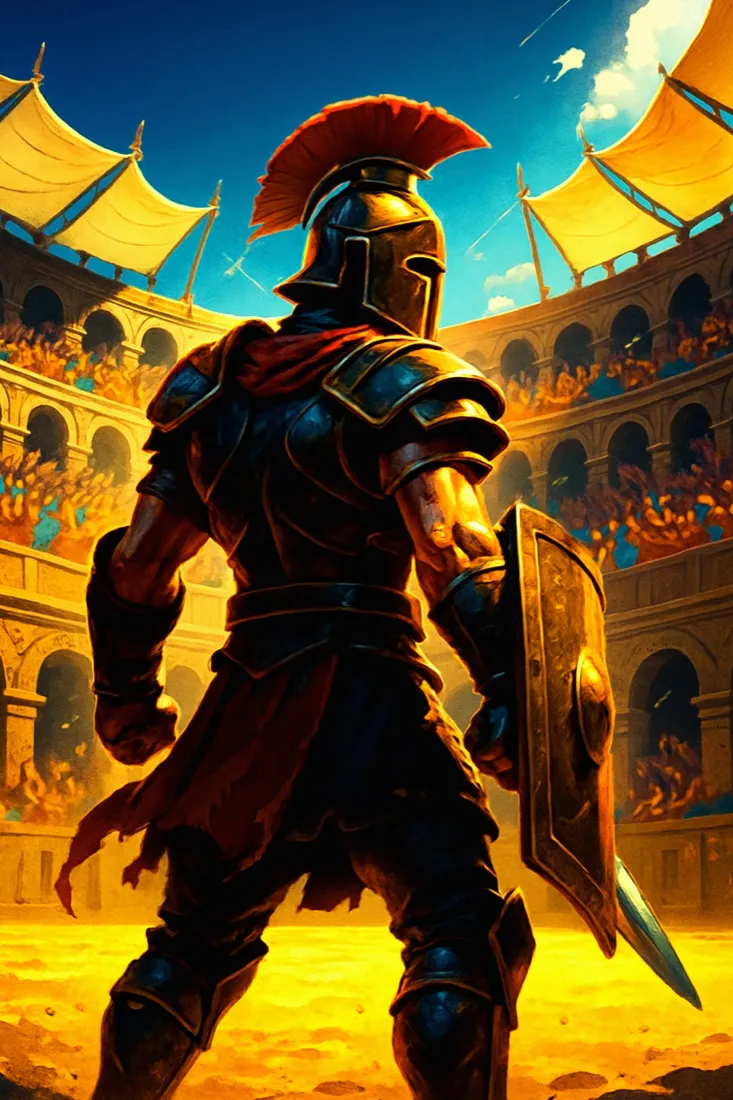
Gladiatus opens with a promise of glory in the Roman Empire and then hands you a fighter with almost nothing. The appeal is watching that figure grow, piece by piece, from a nobody in cheap gear to a recognised name in the arena. It is a simple fantasy, and the game delivers it efficiently.
Gameforge describes a world that blends history, legend and fantasy, with over a hundred unique opponents and over a thousand items to find. In practice that means expeditions into the provinces, dungeons for better rewards and a steady flow of arena challenges. It plays in a desktop browser and suits players who like frequent, brief visits.
Marching orders that refill on a clock
Expeditions are the bread of Gladiatus. You choose a location and an opponent, the fight resolves, and you collect experience, gold and the occasional piece of equipment. Expedition attempts refill over real time, so the natural rhythm is a short burst of fights, then a pause.
Every opponent has strengths and weaknesses, which gives even routine encounters a small decision: is this foe worth your attempt right now, or should you wait until your gear catches up? It is light strategy, but it keeps the loop from becoming entirely mechanical.
The provinces also give the game a gentle sense of travel. Moving to tougher locations as you grow feels like a career advancing across the empire, and returning to an early area to flatten a once-fearsome opponent is a small, honest pleasure that Gladiatus understands well.
Dungeon runs for the rarer haul
Dungeons are where the better loot hides. They are run on their own refilling resource, ask for a sturdier character and reward patience with items that can change a build. Clearing one feels like a genuine step forward rather than another notch on the bar.
Gear drives everything here. Attributes matter, but the right weapon or armour piece can transform your arena results overnight, which is why so much of the game’s pull comes from hunting specific drops.
That makes dungeon days feel like events. You save up attempts, check your equipment, then push through and see what falls out at the end. When the run produces a piece you have wanted for a week, the next round of arena bouts suddenly looks very different, and that ripple is the game at its most satisfying.
The sand, the crowd and the standings
Arena bouts against other players resolve automatically: you pick a target and the numbers decide. Victories raise your standing and bring rewards; defeats sting. Because results lean heavily on gear and level, choosing opponents wisely is the real skill.
Guilds let you combine your strengths with allies, and the market lets players trade equipment, which is often the fastest route to an upgrade. Between guild friends and market browsing, Gladiatus has a more social side than its arena focus suggests.
When the emperor wants a tip
The premium currency speeds refills and opens convenient options, and in a competitive game that can matter. Players who pay will often outpace you in the arena, which is why our free-player score sits at six.
The way round it is to treat the arena as one part of the game rather than the whole. Expeditions, dungeons and steady gear-hunting give a free player a satisfying climb, and choosing arena opponents carefully keeps losses manageable.
Your first week on the Gladiatus trail
- Spend expedition attempts as soon as they refill; unused attempts are simply wasted progress.
- Read each opponent’s profile before attacking and avoid fights your gear clearly cannot win.
- Put early attribute points where your weapon benefits most rather than spreading them thin.
- Check the player market daily for affordable upgrades before buying from the shops.
- Find a guild that welcomes newcomers; members often share advice and spare equipment.
What we love
- Clear, brisk loop that rewards brief visits throughout the day.
- Huge variety of items keeps the gear hunt interesting.
- Opponents with distinct weaknesses add a small layer of thought.
- Ancient Rome setting gives the game a strong, unfussy identity.
What grates
- Automatic arena bouts leave little room for skill in the moment.
- Paying players have a noticeable advantage in the standings.
- Story and writing take a back seat to the numbers.
Whose quest is Gladiatus?
Players who enjoy competition and gear-hunting in short visits. If checking in several times a day to send a fighter out and climb a table appeals, Gladiatus is an easy habit. Those who want story, humour or hands-on combat will find it thin.
Gladiatus at the end of the trail
Gladiatus does one thing and does it cleanly: it turns a gladiator’s rise into a series of brief, satisfying visits. The expedition and dungeon loop is compulsive, the item pool is large and the Roman setting is a pleasant change from generic fantasy. Its competitive edge favours spenders, but careful free players can still carve out a respectable career. Set a routine, watch the market and choose your fights well.